
Fertility-Enhancing Surgery in Noida Minimally invasive surgical options to diagnose and treat causes of infertility
Fertility-enhancing surgeries are minimally invasive procedures used to diagnose and, where possible, treat structural or anatomical causes of infertility, such as tubal blockage, fibroids, endometriosis, and uterine cavity abnormalities.
What is Fertility-Enhancing Surgery?
Fertility-enhancing surgery refers to a range of minimally invasive procedures — most commonly laparoscopy and hysteroscopy — used to evaluate and treat structural causes of infertility. These procedures allow direct visualisation of the pelvic organs and, in many cases, treatment of the identified problem during the same procedure.
Conditions commonly addressed with fertility-enhancing surgery include blocked fallopian tubes, endometriosis, uterine fibroids, ovarian cysts, uterine septum, and pelvic adhesions.
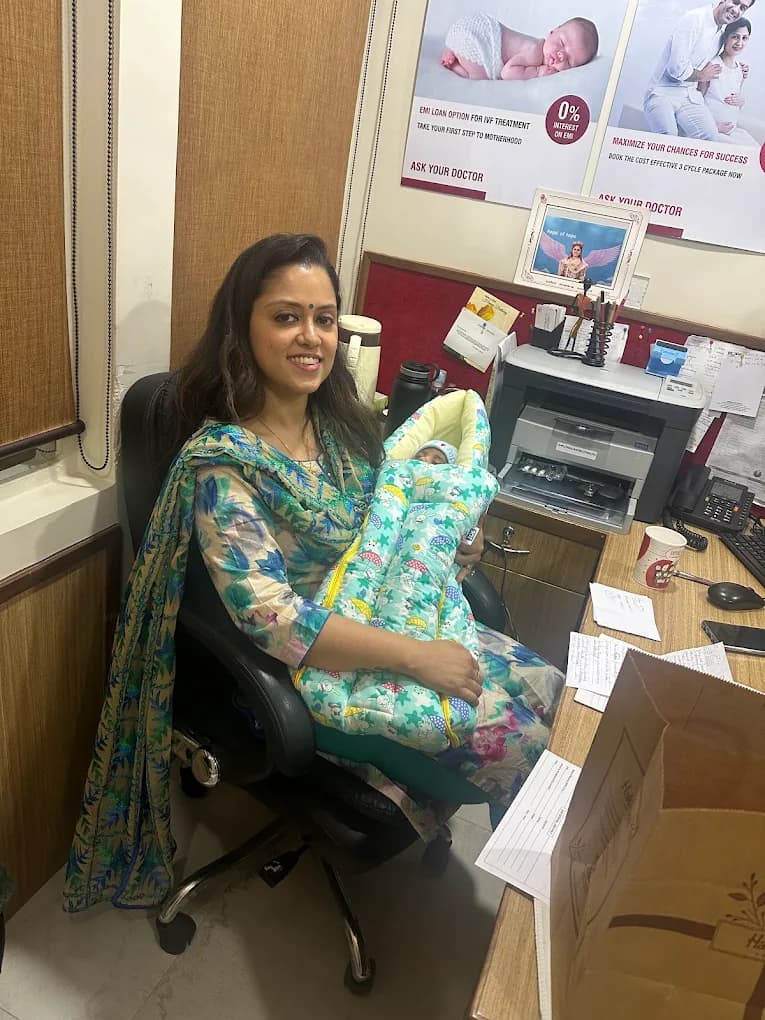
At Divine IVF, Sector 76, Noida, Dr. Mandavi Rai evaluates whether a structural cause may be contributing to infertility and, where appropriate, recommends the most suitable minimally invasive surgical approach.
How it works
Step 1 – Pre-Operative Evaluation
Your doctor reviews your fertility history, examination findings, and imaging to determine the most suitable surgical approach.
Step 2 – Anaesthesia
Fertility surgeries are generally performed under general or regional anaesthesia, depending on the specific procedure.
Step 3 – Minimally Invasive Surgery
Small incisions (for laparoscopy) or a hysteroscope passed through the cervix (for hysteroscopy) allow direct visualisation and treatment of the identified condition.
Step 4 – Same-Sitting Treatment
Where possible, the identified problem — such as an ovarian cyst, fibroid, or adhesion — is treated during the same procedure as diagnosis.
Step 5 – Recovery and Follow-Up
You will be monitored during recovery, with follow-up consultation to discuss findings and next steps for your fertility plan.
Benefits
- Allows direct visualisation of pelvic organs, often providing more information than imaging alone
- Combines diagnosis and treatment in the same procedure in many cases, reducing the need for multiple interventions
- Minimally invasive approach generally results in less pain and faster recovery than open surgery
- Can address structural causes of infertility that may otherwise reduce the success of fertility treatment
- Helps clarify next steps, whether that means attempting natural conception or proceeding to IUI or IVF
Things to know
- Not every fertility problem requires surgery — many causes of infertility are managed with medical treatment or assisted reproduction alone
- Surgery carries the general risks associated with any procedure performed under anaesthesia, which your surgeon will discuss with you
- Recovery time varies depending on the specific procedure and findings during surgery
- Some conditions, such as endometriosis, can recur even after surgical treatment
- Your doctor will discuss whether surgery is likely to improve your chances of natural conception or whether IVF may still be needed afterwards
Getting ready
Pre-operative blood tests and a general health assessment are typically required before any fertility surgery.
You will usually be advised to fast for a specified period before the procedure, as it is performed under anaesthesia.
Bring any previous ultrasound, HSG, or other relevant reports so your surgeon has a complete picture before the procedure.
What to expect
Fertility-enhancing surgeries are typically performed as day-care or short-stay procedures, with recovery time depending on the specific surgery performed. Laparoscopy and hysteroscopy are both minimally invasive, generally resulting in less discomfort and faster recovery compared to open surgery. Your surgeon will explain what was found and treated, and discuss the next steps for your fertility journey.
Fertility-Enhancing Surgery in Noida
Minimally invasive laparoscopic and hysteroscopic surgery to diagnose and treat structural causes of infertility at Divine IVF, Noida.
📍 Sector 76, Noida, Uttar Pradesh
📞 Call: +91 7678451808
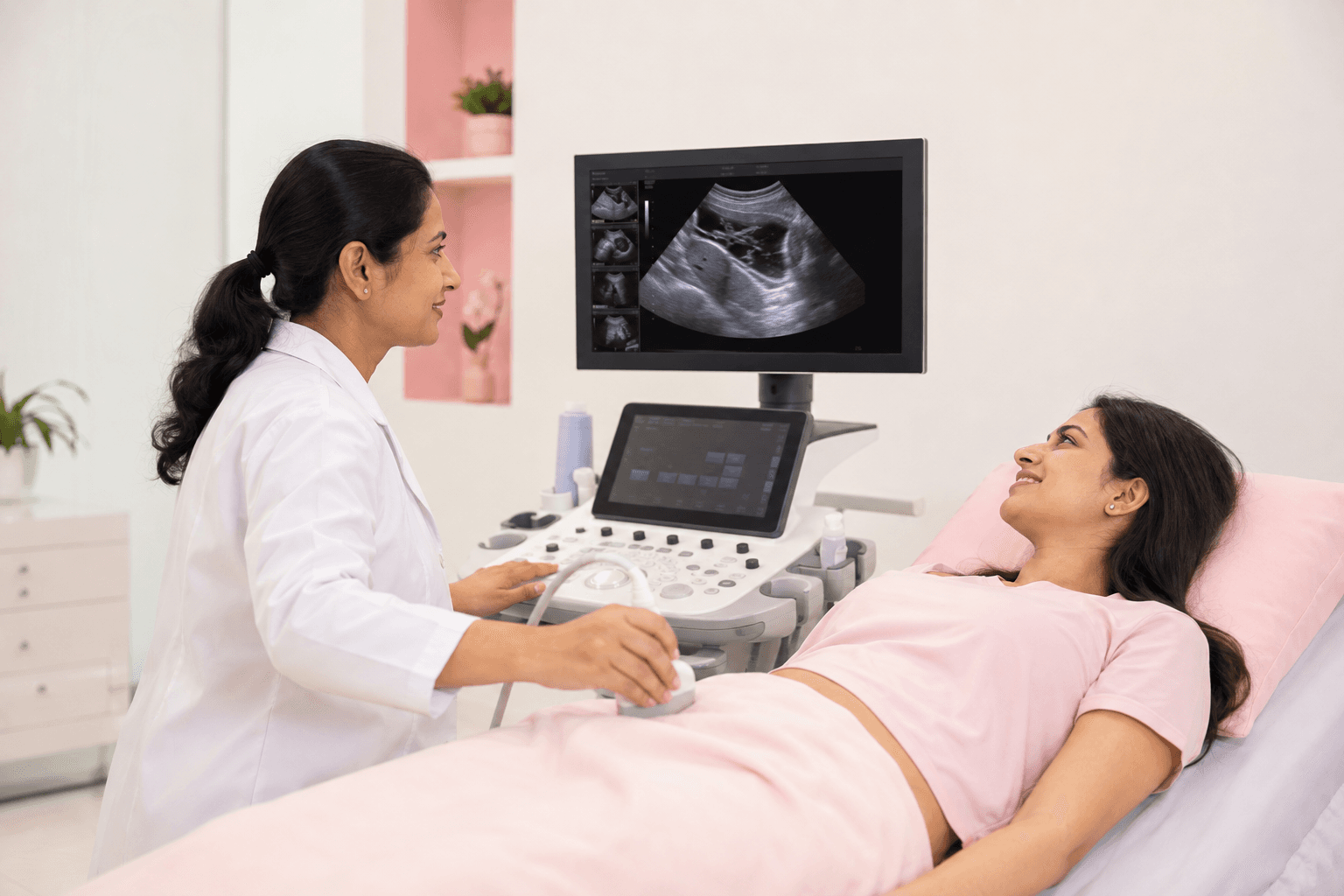
Common Fertility-Enhancing Surgeries
Laparoscopy
A minimally invasive procedure using small abdominal incisions to evaluate and treat conditions such as endometriosis, ovarian cysts, and tubal blockage.
Hysteroscopy
A procedure using a thin scope passed through the cervix to evaluate and treat conditions within the uterine cavity, such as fibroids, polyps, or a uterine septum.
Combined Laparoscopy and Hysteroscopy
Often performed together to provide a complete evaluation of both the uterine cavity and the pelvic organs in a single sitting.
Tubal Surgery
In select cases, surgical correction of tubal blockage may be performed, depending on the location and extent of damage.
Conditions Commonly Evaluated with Fertility Surgery
Fertility surgery may be recommended for conditions such as:
Your doctor will determine which, if any, surgery is appropriate based on your specific evaluation findings.
Who May Benefit From Fertility Surgery
Fertility surgery may be considered if:
Not every patient needs surgery — your doctor will explain whether it is likely to benefit your specific situation.
What Happens During Fertility Surgery
The exact steps depend on the type of surgery and findings, but generally follow this pattern:
Pre-Operative Assessment
Blood tests and imaging review to plan the surgical approach and anticipate likely findings.
Anaesthesia
Performed under general or regional anaesthesia to ensure comfort during the procedure.
Diagnostic Evaluation
Direct visualisation of the pelvic organs or uterine cavity to confirm or identify the underlying condition.
Treatment
Where possible, the identified problem is treated during the same procedure, such as removing a cyst, adhesion, or fibroid.
After Fertility Surgery
Your recovery and next steps depend on the specific procedure and findings.
Recovery Period
Most minimally invasive fertility surgeries allow a relatively quick return to normal activity, though this varies by procedure.
Follow-Up Consultation
Your surgeon reviews the findings and discusses what was treated and what it means for your fertility plan.
Natural Conception Attempts
In some cases, natural conception may be attempted for a period after successful surgical treatment.
Further Fertility Treatment
IUI or IVF may still be recommended afterwards, depending on your overall fertility profile.
Why Fertility-Enhancing Surgery Can Help
- ✓ Direct DiagnosisProvides clear, direct visualisation of pelvic organs that imaging alone cannot always offer.
- ✓ Combined CareTreatment can often be performed in the same sitting as diagnosis, reducing the number of separate procedures.
- ✓ Improves Treatment SuccessAddressing structural issues can improve the chances of success with subsequent fertility treatment.
- ✓ Minimally InvasiveSmaller incisions and quicker recovery compared to traditional open surgery.
If your fertility evaluation suggests a structural cause that may benefit from surgical assessment, Dr. Mandavi Rai at Divine IVF, Noida can discuss the most appropriate next steps.
Book ConsultationResources
Common questions
Fertility-enhancing surgery refers to minimally invasive procedures, such as laparoscopy and hysteroscopy, used to diagnose and treat structural causes of infertility.
Common conditions include blocked fallopian tubes, endometriosis, uterine fibroids, ovarian cysts, uterine septum, and pelvic adhesions.
No, not every patient requires surgery before IVF; your doctor will assess whether a structural issue is likely to affect treatment success.
Laparoscopy examines the outside of the uterus, ovaries, and fallopian tubes through small abdominal incisions, while hysteroscopy examines the inside of the uterine cavity through the cervix.
Recovery time depends on the specific procedure; minimally invasive surgeries generally allow a quicker return to normal activity compared to open surgery.
In some cases, yes — particularly when a correctable structural issue, such as certain fibroids or adhesions, is identified and treated.
Most fertility surgeries are performed under anaesthesia, and post-operative discomfort is generally manageable with appropriate pain relief.
Depending on findings and your overall fertility profile, IVF may still be recommended after surgery, particularly for more significant structural issues.
The choice depends on your specific diagnosis, symptoms, and fertility goals, determined through consultation and relevant imaging beforehand.
Cost varies depending on the specific procedure required. Book a consultation for a personalised evaluation and estimate.
Ready to talk to Dr. Mandavi Rai?
Bring your questions, your history, and your pace — we`ll build the next step together.