
Egg Donor IVF in Noida Personalised donor egg IVF treatment for selected women and couples
For some women, pregnancy with their own eggs may become difficult because of significantly reduced ovarian reserve, age-related decline in egg quality, premature ovarian insufficiency, certain genetic conditions, or repeated unsuccessful IVF treatment. In such cases, Egg Donor IVF in Noida may be discussed as a fertility treatment option after a detailed medical evaluation.
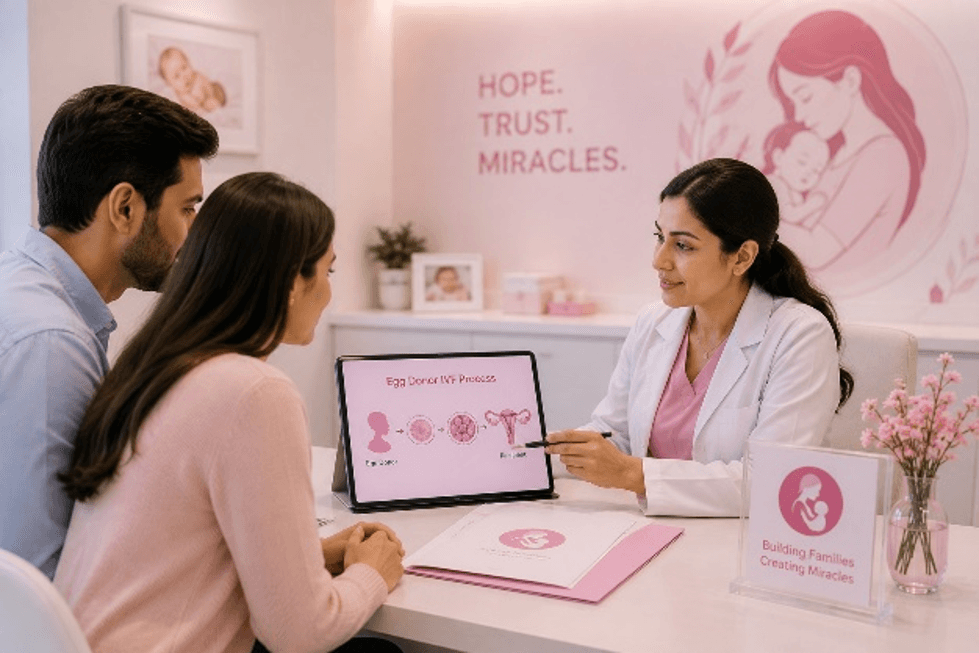
What is Egg Donor IVF?
Egg Donor IVF, also known as Donor Egg IVF, is a type of IVF treatment in which eggs obtained from an eligible donor are fertilised with sperm in an embryology laboratory. The resulting embryo may then be transferred into the recipient woman's uterus.
The treatment may involve fertility consultation, recipient medical evaluation, donor egg arrangement through legally permitted channels, sperm preparation, fertilisation through IVF or ICSI, embryo culture, preparation of the recipient's endometrium, embryo transfer, and pregnancy testing.
Egg donor IVF should only be undertaken after informed counselling and according to applicable Indian ART regulations. At Divine IVF, Sector 76, Noida, Dr. Mandavi Rai provides personalised fertility assessment and donor egg IVF treatment planning in accordance with applicable medical and legal requirements.
How it works
Step 1 – Fertility Consultation
The process begins with a detailed fertility assessment. Dr. Mandavi Rai reviews female age, AMH, antral follicle count, menstrual history, previous IVF cycles, previous egg retrieval results, embryo development history, pregnancy history, medical conditions, and genetic history.
Step 2 – Counselling
Donor egg IVF is an important medical and personal decision. Counselling may cover why donor eggs are being recommended, alternative fertility options, expected treatment process, legal requirements, donor-related regulations, embryo transfer, pregnancy-related considerations, and emotional implications.
Step 3 – Recipient Evaluation
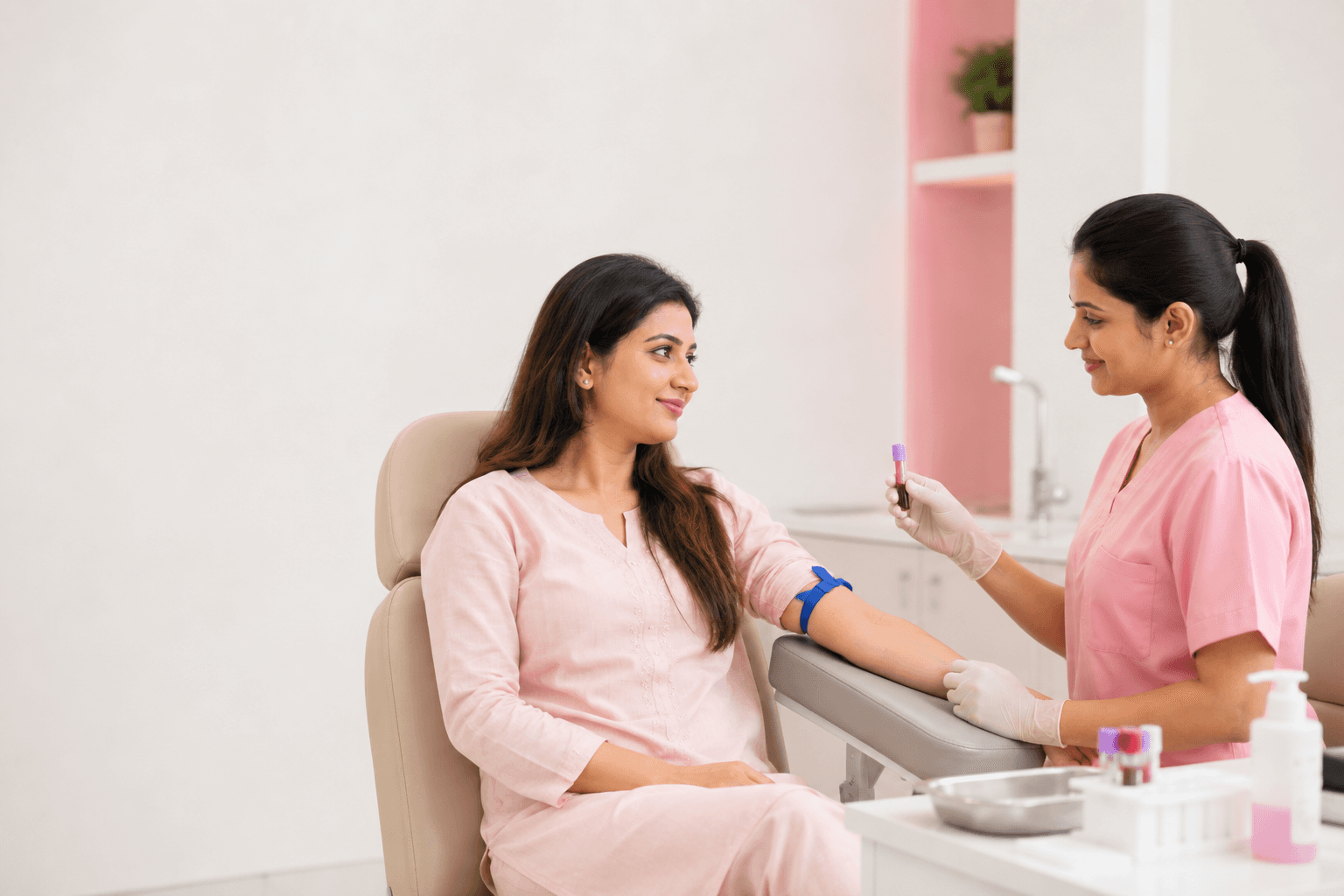
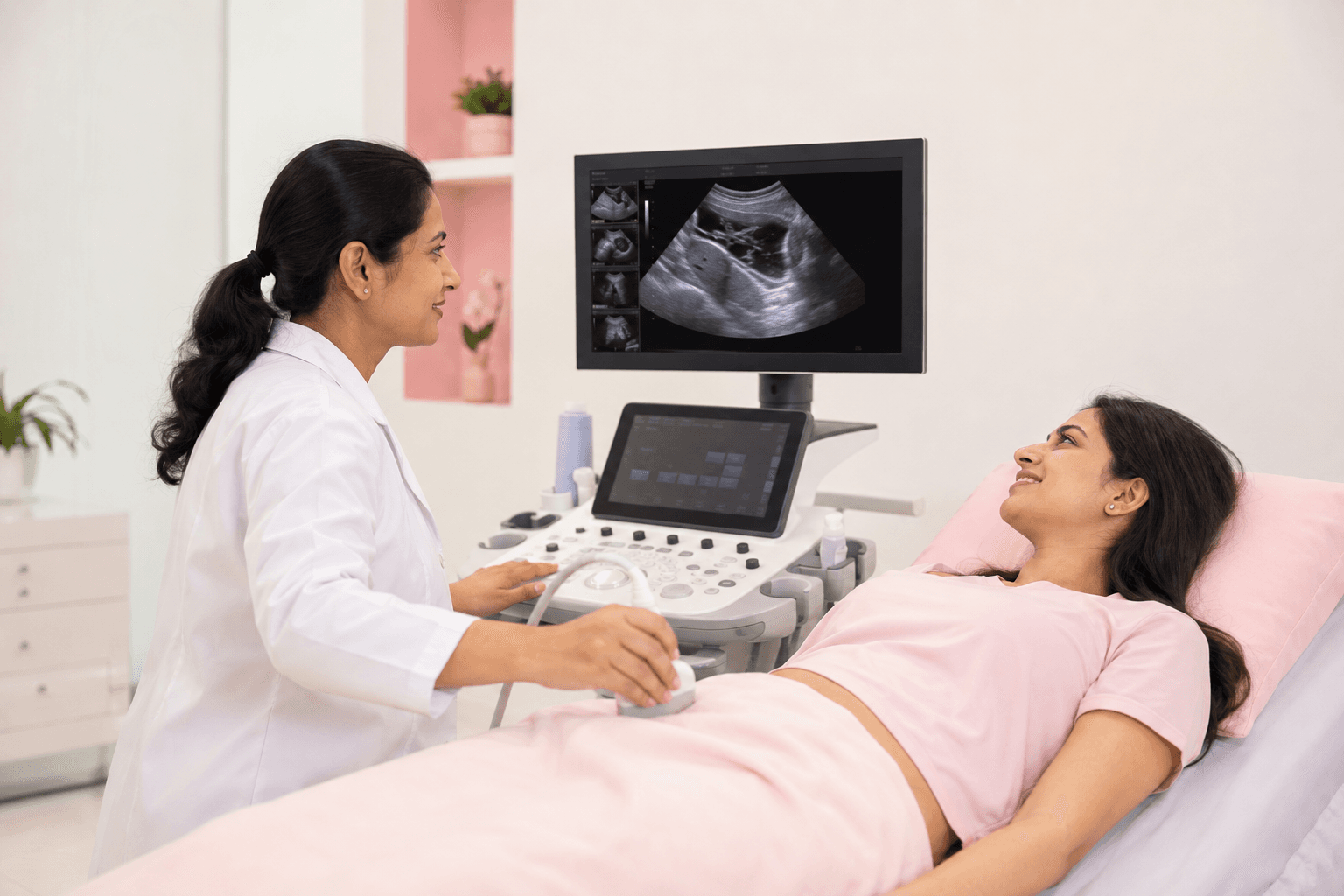
The recipient may undergo tests to assess whether pregnancy and embryo transfer are medically appropriate including pelvic ultrasound, uterine evaluation, endometrial assessment, blood tests, thyroid testing, and general health evaluation.
Step 4 – Male Partner Evaluation
If sperm from the male partner is being used, evaluation may include semen analysis, sperm concentration, motility, morphology, and additional tests when clinically indicated.
Step 5 – Donor Egg Coordination
Eligible donor eggs are arranged through the appropriate regulated ART pathway. Donor screening and legal compliance are managed according to the applicable ART framework.
Step 6 – Fertilisation
Donor eggs are fertilised using sperm from the intended male partner or another legally permitted source. Fertilisation may involve conventional IVF or ICSI depending on sperm parameters.
Step 7 – Embryo Culture
After fertilisation, embryos are cultured in the embryology laboratory. Embryologists monitor their development over the following days. Not every egg will fertilise and not every embryo will continue developing.
Step 8 – Recipient Endometrial Preparation
The recipient's uterine lining is prepared for embryo transfer. This may involve hormonal medicines. Ultrasound may be used to monitor endometrial thickness, endometrial development, and timing of transfer.
Step 9 – Embryo Transfer
A suitable embryo may be transferred into the recipient's uterus through a thin catheter. The procedure is generally brief and usually does not require anaesthesia.
Step 10 – Pregnancy Test
A pregnancy blood test is performed after embryo transfer according to the fertility specialist's recommended timeline.
Benefits
- Offers a realistic chance of pregnancy when your own eggs are unlikely to result in a viable pregnancy
- Provides the experience of pregnancy, childbirth, and a maternal bond with your child
- Uses young, healthy donor eggs with excellent quality, significantly improving success rates
- Allows you to carry the pregnancy and experience childbirth, even when using donor eggs
- Can be combined with your partner's sperm for a genetic connection to one parent
- Offers a pathway to parenthood for same-sex male couples using a gestational carrier
- Reduces the risk of passing on certain genetic conditions to your child
Things to know
- The child will be genetically related to the egg donor and the sperm source, not to the intended mother (if using a donor egg and partner sperm)
- Involves complex emotional, ethical, and legal considerations that deserve careful thought and time
- Requires careful donor selection and coordination, which can take time
- Involves legal agreements and counselling (particularly with known donors)
- May involve additional costs beyond standard IVF for donor compensation, coordination, and legal fees
- The decision is deeply personal and should be made at your own pace, without pressure
- Not all patients are emotionally prepared for donor egg IVF — counselling is strongly recommended
- Some patients may need multiple attempts or a gestational carrier if uterine issues exist
Getting ready
Before considering donor egg IVF, Dr. Rai reviews your complete fertility history and evaluation results to confirm this pathway is appropriate for your situation. This includes assessing your uterine health through ultrasound and hysteroscopy to ensure it can support a pregnancy.
The recipient may undergo tests to assess whether pregnancy and embryo transfer are medically appropriate. These can include pelvic ultrasound, uterine evaluation, endometrial assessment, blood tests, thyroid testing where needed, general health evaluation, and additional tests depending on age and medical history.
If sperm from the male partner is being used, evaluation may include semen analysis, sperm concentration, motility, morphology, and additional tests when clinically indicated.
The preparation process involves several important steps: selecting a donor (known or anonymous), coordinating with the donor's cycle, preparing your uterus with hormonal medication, and synchronising the donor's egg retrieval with your uterine preparation.
Genetic counselling is an essential part of the process. Dr. Rai works with genetic counsellors who can help you understand the implications of donor egg IVF, including any genetic screening of the donor and the embryo.
What to expect
The donor egg IVF process typically takes longer to coordinate than standard IVF due to the donor selection and synchronisation steps. Your experience of the transfer and pregnancy test will be similar to a standard IVF cycle. The recipient generally does not undergo ovarian stimulation for egg production because donor eggs are used. Treatment instead focuses on preparing the uterus for embryo transfer. Dr. Rai and her team will be with you throughout, explaining each step and answering any questions.
Egg Donor IVF in Noida
Personalised donor egg IVF treatment for selected women and couples at Divine IVF, Sector 76, Noida.
📍 Sector 76, Noida, Uttar Pradesh
📞 Call: +91 7678451808
What Is Egg Donor IVF?
Egg Donor IVF, also known as Donor Egg IVF, is a type of IVF treatment in which eggs obtained from an eligible donor are fertilised with sperm in an embryology laboratory.
The resulting embryo may then be transferred into the recipient woman`s uterus.
The treatment may involve:
- Fertility consultation
- Recipient medical evaluation
- Donor egg arrangement through legally permitted channels
- Sperm preparation
- Fertilisation through IVF or ICSI
- Embryo culture
- Preparation of the recipient`s endometrium
- Embryo transfer
- Pregnancy testing
Egg donor IVF should only be undertaken after informed counselling and according to applicable Indian ART regulations.
Who May Consider Egg Donor IVF?
Egg donor IVF may be discussed in selected fertility situations.
Very Low Ovarian Reserve
Women with significantly reduced ovarian reserve may produce very few eggs despite ovarian stimulation. In such cases, donor eggs may be discussed when treatment with the patient`s own eggs has a low expected response.
Premature Ovarian Insufficiency
Premature ovarian insufficiency occurs when ovarian function declines earlier than expected. Women with this condition may have irregular periods, absent periods, low ovarian reserve, and difficulty producing eggs. Egg donor IVF may be one reproductive option.
Age-Related Decline in Egg Quality
Female fertility declines with age, mainly because of changes in egg quantity and quality. For some patients with markedly reduced reproductive potential using their own eggs, donor egg IVF may be discussed after appropriate counselling.
Repeated IVF Failure With Poor Egg or Embryo Quality
If previous IVF cycles repeatedly result in very few eggs, poor fertilisation, poor embryo development, or no transferable embryos, the fertility specialist may assess whether egg quality could be an important factor. Donor egg IVF may then be considered in selected patients.
Genetic Conditions
Women with certain inherited genetic conditions may explore donor eggs as one reproductive option. Whether donor eggs, PGT, or another option is more appropriate depends on the specific genetic condition and counselling.
Previous Ovarian Surgery or Treatment
Some women may have reduced ovarian function after ovarian surgery, chemotherapy, radiation treatment, or other medical conditions. Egg donor IVF may be discussed if ovarian function is significantly impaired.
Egg Donor IVF and Indian ART Regulations
Egg donation in India is regulated under the Assisted Reproductive Technology (Regulation) Act, 2021 and related rules.
Clinics and ART banks must follow legal requirements relating to:
The law also provides for insurance coverage for the oocyte donor and requires written informed consent before ART treatment is performed. Treatment should therefore only be undertaken through legally compliant ART services.
Understanding Egg Donor Options
Who Can Be an Egg Donor in India?
Under the ART regulatory framework, donor eligibility is subject to legal requirements. The ART Act specifies criteria relating to the donor`s age, reproductive history and permitted frequency of oocyte donation. Patients should not independently arrange or recruit donors outside the permitted ART system. The fertility clinic and registered ART bank are responsible for ensuring that donor-related requirements are followed.
Can a Relative Donate Eggs?
Egg donation in India must comply with the ART regulatory framework. Patients should not assume that a relative, friend or personally selected individual can automatically act as an egg donor. The appropriate donor arrangement should be confirmed through the treating ART clinic and registered ART bank in accordance with current law.
Is the Egg Donor`s Identity Disclosed?
Donor information is subject to confidentiality and legal record-keeping requirements. The donor and recipient should not attempt to independently exchange identities outside the permitted framework. Relevant records must be maintained as required by law while preserving confidentiality.
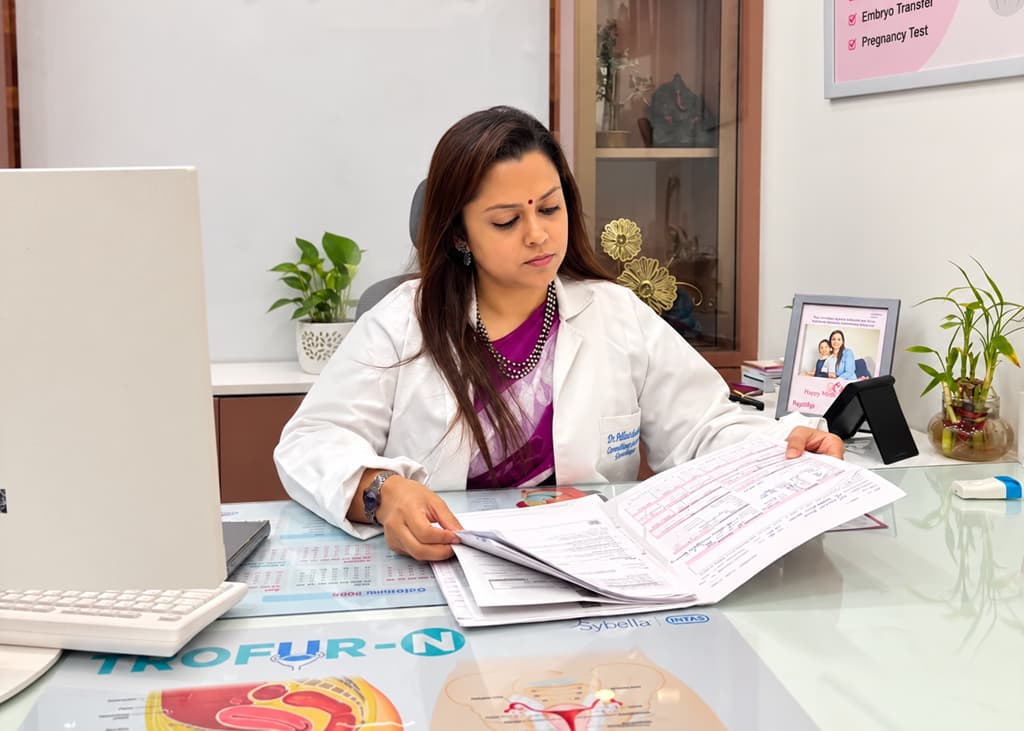
Egg Donor IVF vs Other Options
Egg Donor IVF vs IVF With Own Eggs
IVF With Own Eggs
The patient`s ovaries are stimulated and her own eggs are retrieved. Treatment outcome depends on female age, ovarian reserve, egg quality, and ovarian response.
Egg Donor IVF
Eggs from an eligible donor are used instead. The recipient does not undergo ovarian stimulation or egg retrieval for producing those donor eggs. Her treatment mainly focuses on preparing the uterus for embryo transfer.
Egg Donor IVF vs Embryo Donation
These are different fertility options. In Egg Donor IVF, a donor egg is fertilised with sperm according to the treatment plan. In Embryo Donation, a donated embryo is used. The legal, genetic and treatment considerations differ, so counselling is important before choosing either option.
Fresh Donor Eggs vs Frozen Donor Eggs
Fresh Donor Egg Cycle
Egg retrieval and recipient treatment are coordinated within a planned treatment cycle.
Frozen Donor Eggs
Where available and legally permitted, previously cryopreserved donor eggs may be used according to the treatment plan.
The appropriate approach depends on medical and laboratory considerations.
Does Egg Donor IVF Guarantee Pregnancy?
No.
Egg donor IVF can be an effective fertility option for selected patients, but it cannot guarantee:
Treatment outcomes depend on multiple factors.
Factors That May Affect Egg Donor IVF Success
Is the Recipient Genetically Related to the Baby?
In egg donor IVF, the genetic contribution from the egg comes from the donor. If sperm from the recipient`s male partner is used, the baby may have a genetic relationship to the male partner.
The woman carrying the pregnancy provides the uterine environment but does not contribute the egg`s nuclear genetic material.
Patients should discuss the genetic implications carefully before treatment.
Is Egg Donor IVF Safe?
Egg donor IVF is an established assisted reproductive treatment, but it has potential medical and emotional considerations.
Recipient-related risks may include:
Pregnancy risk also depends on the recipient`s age and general health.
Egg Donor IVF Cost in Noida
The cost of Egg Donor IVF in Noida varies according to the treatment plan and legally permitted donor pathway. The overall cost may include:
Because donor egg IVF includes regulated donor-related processes, the total cost can differ significantly between cases. Patients should request a clear written breakdown before starting treatment.
Questions to Ask Before Starting Egg Donor IVF
Before beginning treatment, consider asking:
Why Choose Divine IVF for Egg Donor IVF
- ✓Personalised Fertility Assessment — Donor egg treatment is considered only after reviewing the patient`s ovarian reserve, age, reproductive history and previous fertility treatment.
- ✓Fertility Care Under Dr. Mandavi Rai — Treatment planning is provided under the guidance of Dr. Mandavi Rai, Gynecologist & IVF Specialist in Noida.
- ✓Evaluation of Both Partners — Female and male fertility factors are considered when planning treatment.
- ✓IVF and ICSI Treatment Options — Depending on clinical needs, fertilisation can involve conventional IVF or ICSI.
- ✓Legally Compliant Donor Treatment Planning — Donor-related treatment should be coordinated according to applicable Indian ART regulations.
- ✓Convenient Location in Sector 76, Noida — Divine IVF is located in Sector 76, Noida, making fertility consultation accessible to patients from Noida and nearby areas.
Book an Egg Donor IVF Consultation in Noida
If low ovarian reserve, premature ovarian insufficiency, age-related fertility decline or repeated unsuccessful IVF treatment has led you to consider donor eggs, a detailed consultation can help you understand your options. At Divine IVF, Sector 76, Noida, Dr. Mandavi Rai provides personalised fertility assessment and donor egg IVF treatment planning according to your medical needs and applicable ART regulations.
Divine IVF · Sector 76, Noida, Uttar Pradesh
Resources
Common questions
Egg Donor IVF is an IVF treatment in which eggs from an eligible donor are fertilised in a laboratory and a resulting embryo is transferred into the recipient's uterus.
Donor eggs may be considered in women with very low ovarian reserve, premature ovarian insufficiency, significantly reduced egg quality, certain genetic concerns or repeated unsuccessful IVF treatment.
Egg donation is permitted within the regulated ART framework and must comply with the Assisted Reproductive Technology (Regulation) Act and related requirements.
Donor arrangements must follow Indian ART regulations. Patients should not independently recruit or arrange donors outside the legally permitted system.
Donor confidentiality and record-keeping are governed by applicable ART regulations.
The genetic material from the egg comes from the donor. The recipient carries the pregnancy but does not provide the egg's nuclear genetic material.
The recipient generally does not undergo ovarian stimulation for egg production because donor eggs are used. Treatment instead focuses on preparing the uterus for embryo transfer.
Not always. The choice between conventional IVF and ICSI depends on sperm quality and other clinical factors.
PGT may be considered in selected cases where there is an appropriate medical or genetic indication.
No. Donor egg IVF cannot guarantee implantation, pregnancy or live birth.
ART treatment eligibility is regulated by law. The ART Act specifies age ranges for women and men receiving ART services.
The cost depends on recipient evaluation, donor-related ART bank processes, IVF or ICSI, laboratory charges, medicines, embryo transfer and any additional procedures required.
You can consult Dr. Mandavi Rai at Divine IVF, Sector 76, Noida for fertility evaluation and personalised donor egg IVF treatment planning.
Ready to talk to Dr. Mandavi Rai?
Bring your questions, your history, and your pace — we`ll build the next step together.