
Endometriosis Treatment in Noida Personalised management of endometriosis for pain relief and fertility
Endometriosis is a condition in which tissue similar to the lining of the uterus grows outside the uterus, commonly affecting the ovaries, fallopian tubes, and pelvic lining. It can cause pain and, in some women, contribute to infertility.
What is Endometriosis Treatment?
Endometriosis occurs when tissue similar to the endometrium, the lining of the uterus, grows in other locations such as the ovaries, fallopian tubes, or the outer surface of the uterus and other pelvic organs. This tissue responds to the menstrual cycle in a similar way to the uterine lining, which can lead to inflammation, scarring, and pain.
The severity of endometriosis varies widely — some women have mild disease with significant symptoms, while others have more extensive disease with few or no symptoms. It is a recognised cause of pelvic pain and can also contribute to infertility in some women.
At Divine IVF, Sector 76, Noida, Dr. Mandavi Rai evaluates and manages endometriosis with an individualised approach, addressing both symptom relief and fertility goals where relevant.
How it works
Step 1 – Detailed History
Your doctor reviews your pain pattern, menstrual history, and any impact on fertility or daily life.
Step 2 – Pelvic Examination
A clinical examination can sometimes reveal signs suggestive of endometriosis, such as tenderness or nodularity.
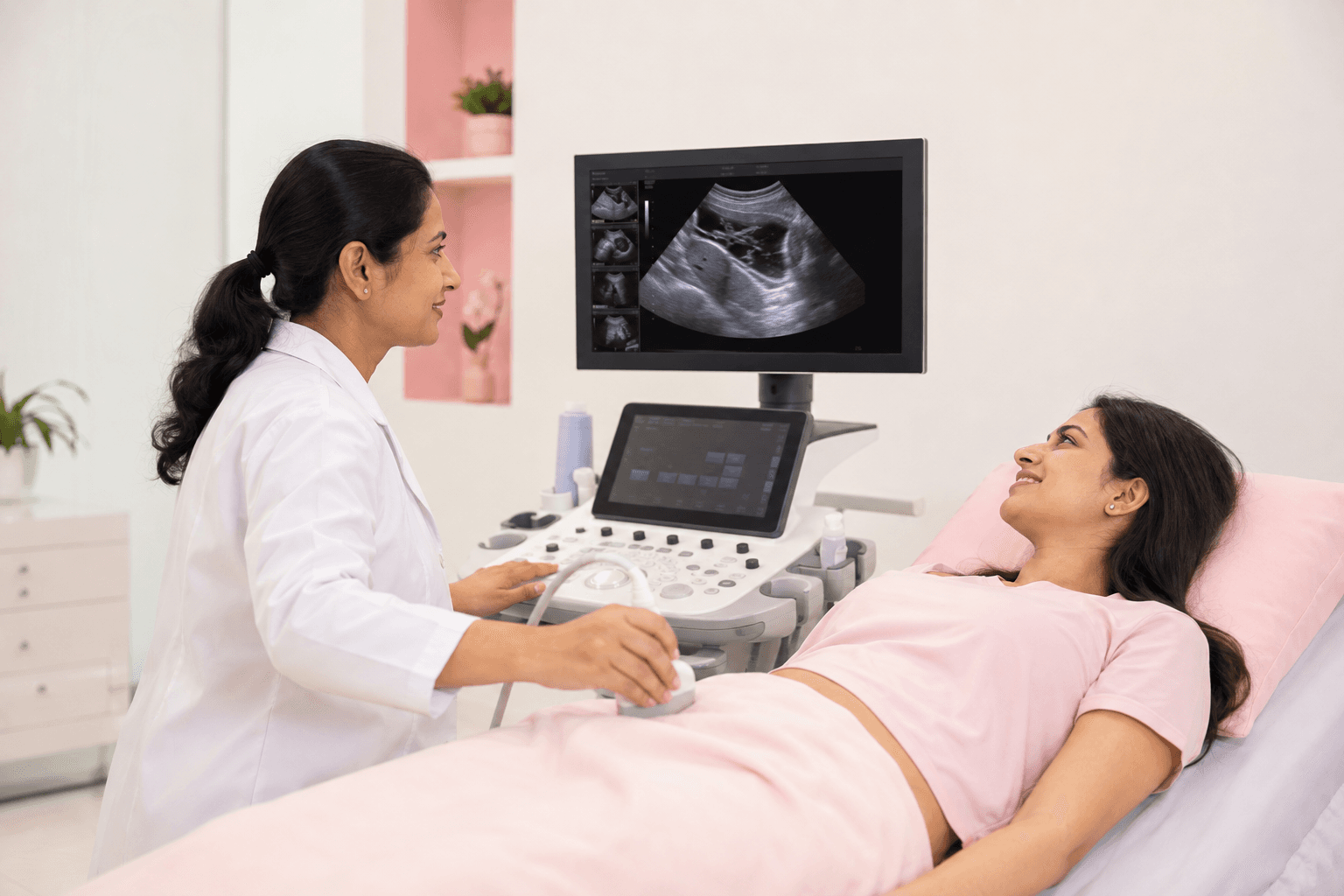
Step 3 – Pelvic Ultrasound
Ultrasound can help detect ovarian endometriomas (cysts) and assess pelvic organs, though it cannot detect all forms of endometriosis.
Step 4 – Further Evaluation if Needed
In some cases, MRI or diagnostic laparoscopy may be recommended for a more complete assessment.
Step 5 – Personalised Management Plan
Your doctor discusses treatment options based on your symptoms, disease extent, and whether you are trying to conceive.
Benefits
- Provides a clearer understanding of the cause of pelvic pain or fertility difficulties
- Supports a treatment plan tailored to whether pain relief, fertility, or both are the priority
- Diagnostic laparoscopy can combine evaluation with treatment of endometriosis in the same procedure when appropriate
- Helps identify endometriomas that may need to be addressed before fertility treatment
- Reduces uncertainty by explaining symptoms in the context of a recognised medical condition
Things to know
- Endometriosis severity does not always correlate with symptom intensity — some women with mild disease have significant pain, and vice versa
- A definitive diagnosis often requires laparoscopy, although imaging and symptoms can suggest the diagnosis beforehand
- Endometriosis can recur even after surgical treatment, and long-term management may be needed
- Treatment approach differs depending on whether pregnancy is being actively pursued
- Surgical treatment of ovarian endometriomas requires careful consideration, as it can sometimes affect ovarian reserve
Getting ready
Keep a record of your pain pattern, including timing relative to your menstrual cycle, before your consultation.
Bring any previous ultrasound reports, scans, or surgical records related to pelvic pain or endometriosis.
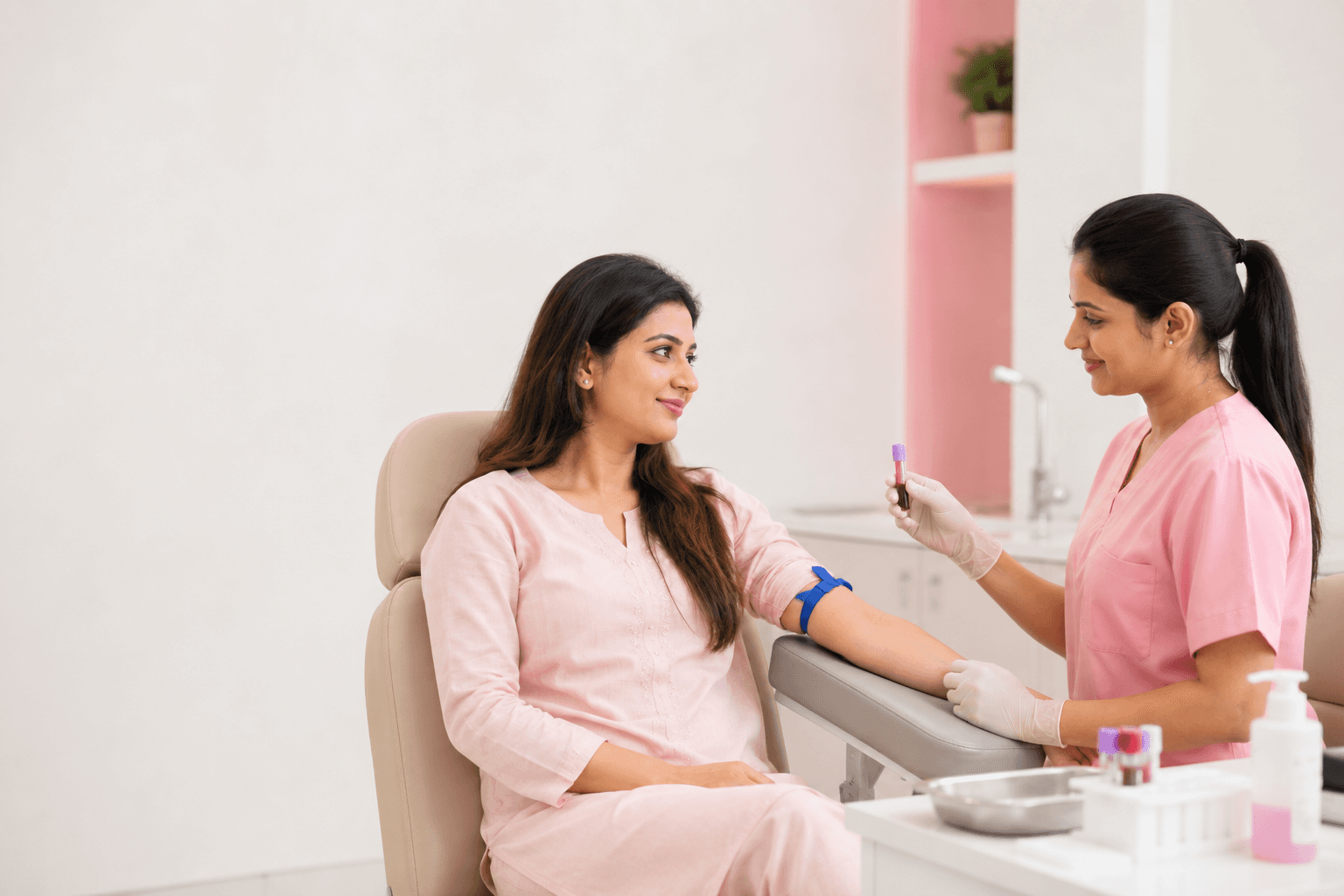
Certain blood tests or imaging may be timed to specific points in your cycle — the clinic will guide you on scheduling.
What to expect
Initial evaluation for endometriosis typically involves a detailed consultation, pelvic examination, and ultrasound — all of which are generally well tolerated. If further evaluation such as laparoscopy is recommended, your doctor will explain the procedure, what it can reveal, and recovery expectations. Management is usually approached individually, balancing symptom relief with fertility goals.
Endometriosis Treatment in Noida
Individualised diagnosis and management of endometriosis for pain relief and fertility at Divine IVF, Noida.
📍 Sector 76, Noida, Uttar Pradesh
📞 Call: +91 7678451808
Common Symptoms of Endometriosis
Pelvic Pain
Persistent or cyclical pelvic pain, often worsening around the time of menstruation, is one of the most common symptoms.
Painful Periods
Period pain that is more severe than typical menstrual cramps and may not respond well to standard pain relief.
Pain During Intercourse
Deep pain during or after intercourse can be a symptom of endometriosis affecting the pelvic organs.
Infertility
Difficulty conceiving may be the first sign of endometriosis in some women, even without significant pain.
Bowel or Bladder Symptoms
In some cases, endometriosis can cause pain with bowel movements or urination, particularly around menstruation.
When to Consider Endometriosis Evaluation
Consider discussing endometriosis evaluation with your doctor if you experience:
Symptoms vary widely, and some women with endometriosis have minimal or no pain.
Who Should Be Evaluated
Evaluation for endometriosis may be appropriate if:
An individualised evaluation helps determine the most likely cause of your symptoms.
Diagnosing Endometriosis
Diagnosis typically combines clinical assessment with imaging and, when needed, surgical evaluation:
Detailed History and Examination
Your doctor reviews your symptom pattern and performs a pelvic examination to look for signs suggestive of endometriosis.
Pelvic Ultrasound
Can detect ovarian endometriomas and other pelvic findings, though it cannot identify all forms of endometriosis.
MRI
May be used in select cases for more detailed imaging of deep or extensive endometriosis.
Diagnostic Laparoscopy
The definitive method for diagnosing endometriosis, allowing direct visualisation and often treatment in the same procedure.
Treatment Options for Endometriosis
Treatment is individualised based on symptom severity and whether pregnancy is being pursued.
Pain Management
Medication to help manage pain, often used as an initial step, particularly when fertility is not the immediate concern.
Hormonal Treatment
Hormonal medication can help suppress the growth of endometriosis tissue and reduce symptoms when pregnancy is not being planned.
Laparoscopic Surgery
Surgical removal of endometriosis tissue and cysts can relieve pain and, in some cases, support fertility.
Fertility Treatment
IUI or IVF may be recommended for endometriosis-related infertility, depending on disease severity and other fertility factors.
Benefits of Individualised Endometriosis Care
- ✓ Symptom ReliefHelps manage pain and improve quality of life through an appropriate treatment plan.
- ✓ Fertility-Focused OptionsBalances pain management with fertility goals when pregnancy is being pursued.
- ✓ Combined Diagnosis and TreatmentLaparoscopy can allow evaluation and treatment of endometriosis in the same procedure.
- ✓ Long-Term MonitoringSupports ongoing management given the potential for recurrence over time.
If you have symptoms of endometriosis or a known diagnosis and want a personalised management plan, Dr. Mandavi Rai at Divine IVF, Noida can help.
Book ConsultationResources
Common questions
Endometriosis is a condition in which tissue similar to the uterine lining grows outside the uterus, commonly affecting the ovaries, fallopian tubes, and pelvic lining, and can cause pain and sometimes infertility.
Common symptoms include pelvic pain, pain during periods, pain during intercourse, and in some cases, difficulty conceiving, though some women have no symptoms at all.
Diagnosis may be suggested by symptoms and ultrasound findings, but a definitive diagnosis often requires laparoscopy, which allows direct visualisation of the pelvic organs.
Not every woman with endometriosis experiences infertility, but it is a recognised contributing factor in some women, particularly with more extensive disease.
There is no permanent cure for endometriosis, but symptoms and its impact on fertility can often be effectively managed with medical or surgical treatment.
No, treatment depends on symptom severity and fertility goals; some women are managed with medication, while others may benefit from surgical treatment.
Yes, many women with endometriosis are able to conceive, either naturally or with fertility treatment, depending on the extent of the disease and other factors.
An endometrioma is a cyst on the ovary formed by endometriosis tissue, sometimes referred to as a `chocolate cyst` due to its appearance.
Endometriosis can recur even after surgical treatment, so ongoing monitoring and management may be needed over time.
Cost depends on the specific evaluation and treatment required. Book a consultation for a personalised assessment and plan.
Ready to talk to Dr. Mandavi Rai?
Bring your questions, your history, and your pace — we`ll build the next step together.